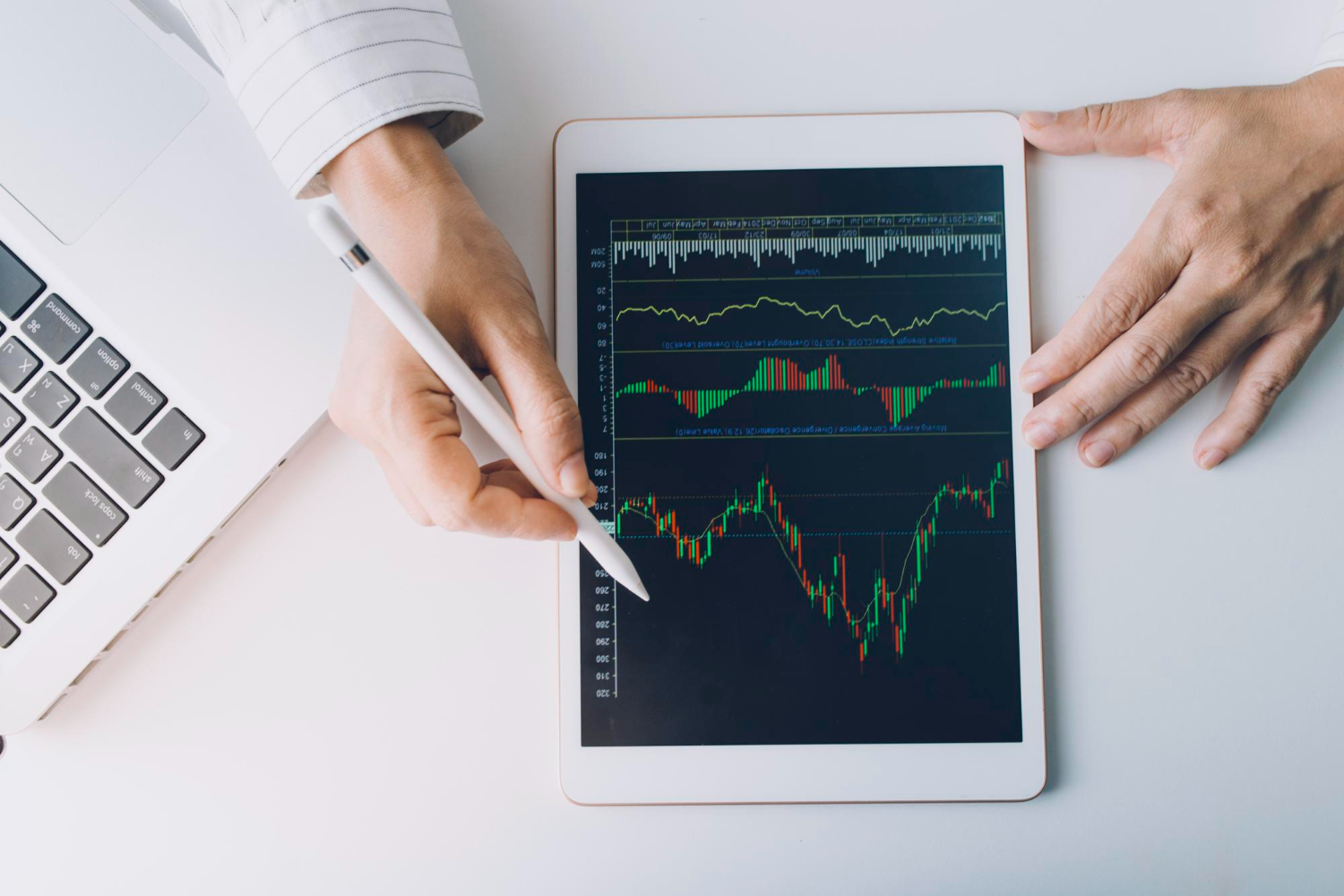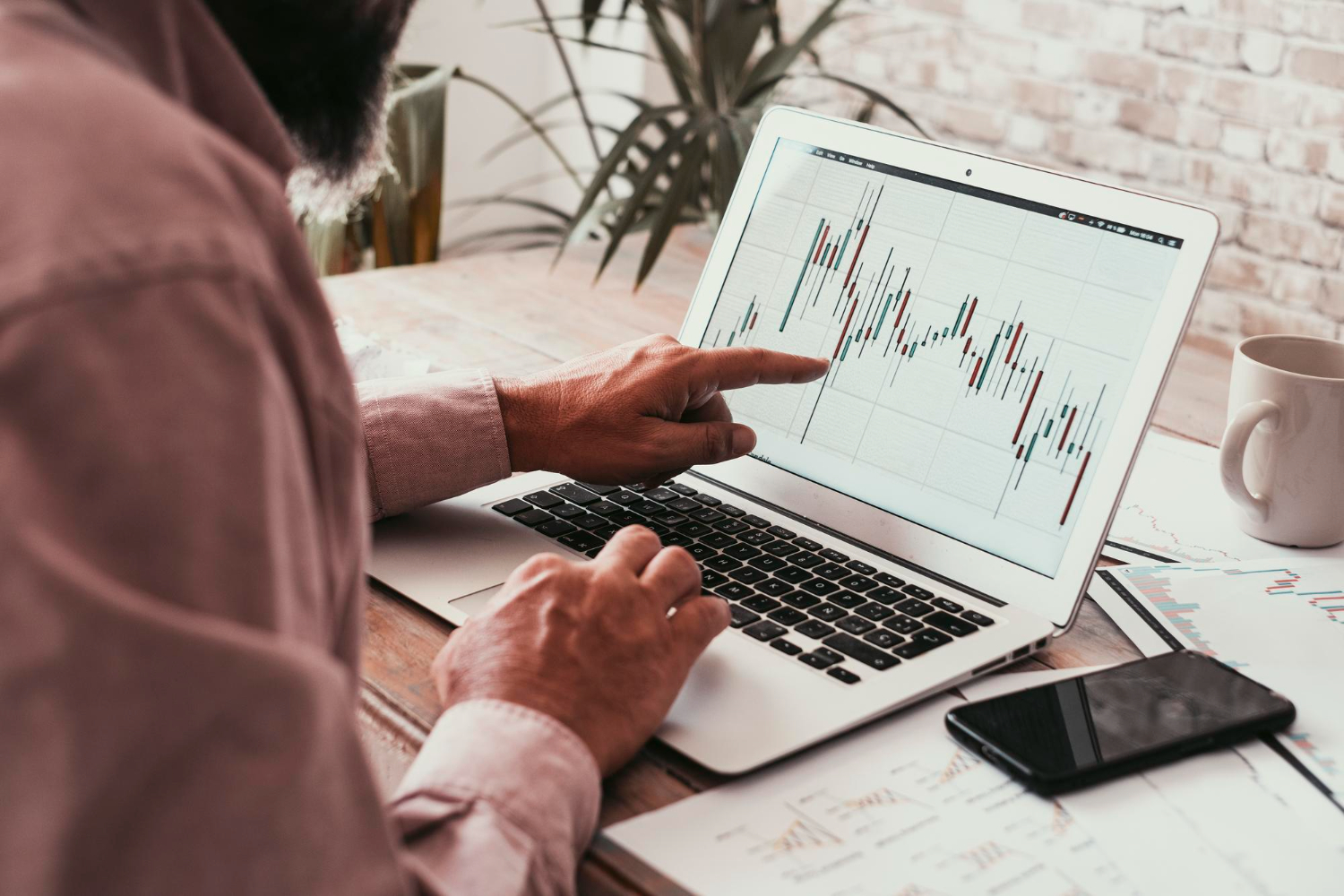


When we first jump into the Forex market, one question inevitably pops up: Sàn Forex là gì and how does it actually work? Understanding the role and types of Forex brokers is crucial for anyone looking to trade currencies successfully. They are the gateways to the trading world, connecting us to global currency markets. In this text, we’ll break down how Forex brokers operate, the different types available, how to choose the right one, and where to find more information to sharpen your trading skills
What is a Forex Broker?
Definition and Role
A Forex broker acts as an intermediary between traders and the interbank Forex market where currencies are bought and sold. Essentially, they provide us with the platform and tools necessary to place currency trades. Without brokers, we wouldn’t have direct access to the vast global network of banks, institutions, and other market participants. Brokers enable us to buy one currency while selling another, facilitating the trading pairs that drive the Forex market.
In simple terms, understanding What is Forex Broker helps us see how vital they are in allowing everyday traders to participate in this global financial system.
How Brokers Make Money
Forex brokers primarily earn their income through spreads and commissions. The spread is the difference between the bid and ask price of a currency pair. Some brokers offer fixed spreads while others provide variable spreads that can widen during high volatility. Besides spreads, some brokers charge a commission per trade or per lot. Also, certain brokers may earn money through other methods, such as swap rates applied to positions held overnight. It’s worth noting that understanding how a broker makes money is essential for us as traders, as these costs directly impact profitability.
Types of Forex Brokers
Dealing Desk (Market Maker) Brokers – How They Work, Pros & Cons
Dealing Desk brokers, often called market makers, create their own market for traders rather than passing orders directly to the interbank network. They take the opposite side of our trades, meaning if we buy, they sell. This setup can sometimes lead to conflicts of interest, but it also means we often benefit from guaranteed liquidity and fixed spreads. Market makers are popular for new traders due to their accessibility and usually lower minimum deposit requirements. But, be cautious of potential slippage and requotes.
No Dealing Desk Brokers (ECN & STP) – Key Features and Benefits
No Dealing Desk brokers operate differently by routing our orders directly to liquidity providers through Electronic Communication Networks (ECN) or Straight Through Processing (STP) systems. This approach provides a more transparent trading environment with tighter spreads and faster execution. ECN brokers aggregate multiple liquidity sources, which helps in offering competitive pricing and reduced conflict of interest. While commissions may be higher with these brokers, the overall cost for experienced traders often turns out to be lower due to superior pricing and execution speed.
How to Choose the Right Broker
Regulatory Compliance and Safety
One of the first things we look for when choosing a Forex broker is regulatory compliance. Trusted brokers are licensed and overseen by financial authorities such as the U.S. Commodity Futures Trading Commission (CFTC), the UK’s Financial Conduct Authority (FCA), or the Australian Securities and Investments Commission (ASIC). These regulations ensure brokers adhere to strict financial standards, protect client funds, and maintain transparency.
Trading Platforms and Fees
Another critical factor is the trading platform offered. Popular platforms like MetaTrader 4 and 5 provide robust charting tools, automated trading options, and user-friendly interfaces. We should ensure the platform supports our trading needs, whether we’re beginners or advanced traders. Besides, it’s essential to consider all fees involved: spreads, commissions, swap rates, deposit/withdrawal fees, and inactivity charges. A broker with transparent and competitive fee structures helps us maximize our trading potential.
Learn More About Forex Brokers
Exploring further, Forex education resources are invaluable. Many reputable brokers provide free tutorials, webinars, and detailed guides to deepen our understanding of market dynamics and trading strategies. Forums and review sites can also shed light on other traders’ experiences, allowing us to make more informed choices. Also, demo accounts offered by brokers enable us to practice trading risk-free, becoming familiar with the platform and testing strategies before committing real money.
Conclusion
Navigating the Forex market starts with understanding sàn Forex là gì, essentially What is Forex Broker and how they operate. By recognizing the differences between dealing desk and no dealing desk brokers, assessing regulatory compliance, and evaluating platforms and fees, we put ourselves in a much stronger position to choose the right broker. With due diligence and continuous learning, we can unlock the full potential of Forex trading and confidently embark on our trading journey.